Services

Working Together to Protect Nature

At GAURA CONSERVATION FOUNDATION, we are dedicated to protecting and restoring the natural environment through meaningful initiatives that focus on conserving forests, water resources, biodiversity, and ecological balance. Our programs are designed to create awareness, encourage community participation, and promote sustainable environmental practices.

Tree Plantation & Forest Conservation

Tree Plantation & Forest Conservation

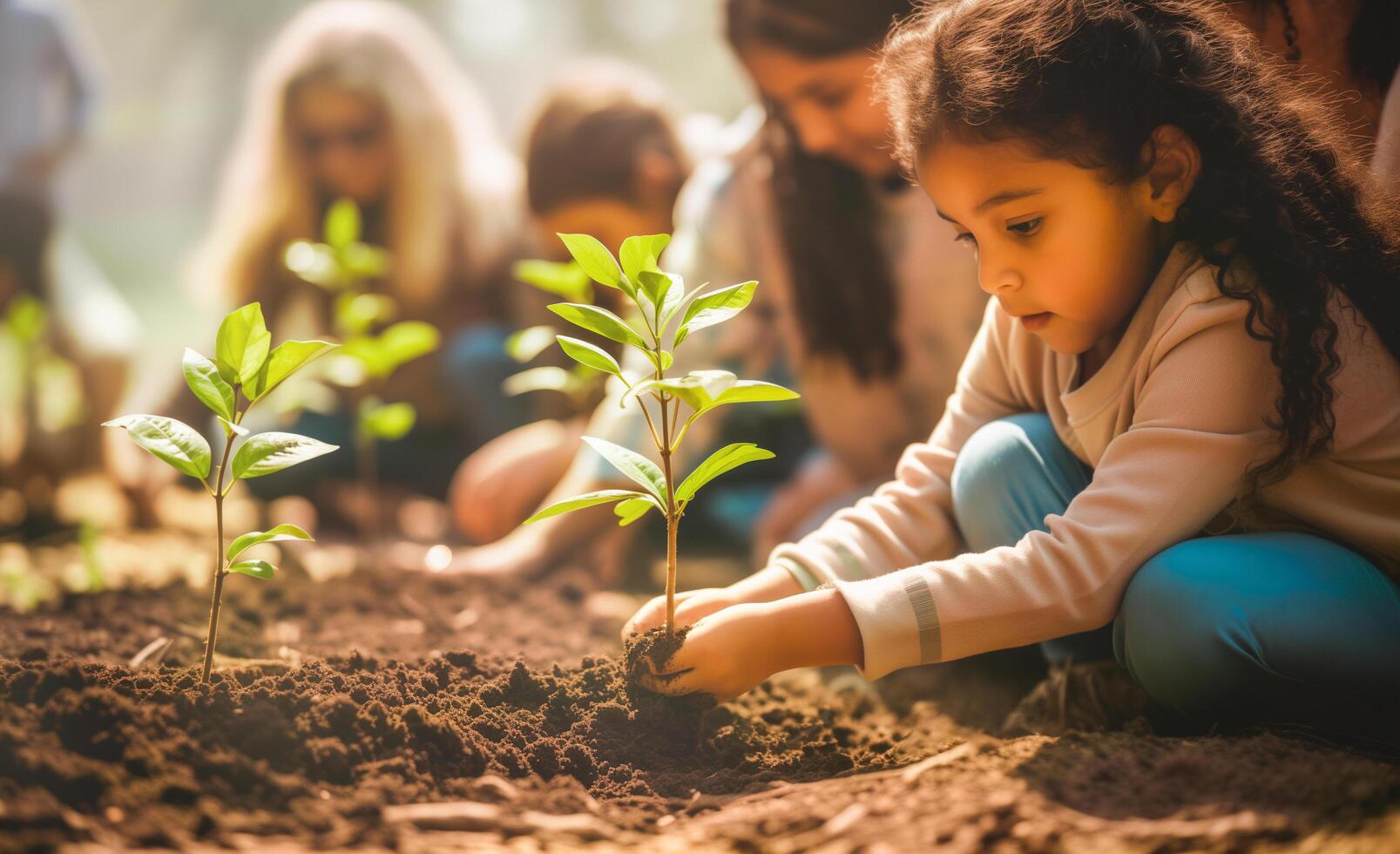
Forests are essential for maintaining ecological balance and supporting biodiversity. Our tree plantation and afforestation programs aim to increase green cover and protect natural habitats.

We organize plantation drives, promote community forestry initiatives, and encourage people to participate in protecting forests. These efforts help restore degraded land, improve air quality, and support wildlife ecosystems.

Water Conservation

Water is a vital resource that sustains life and ecosystems. Our water conservation initiatives focus on protecting rivers, lakes, and groundwater sources while promoting responsible water usage.

We support rainwater harvesting, watershed management, and community awareness programs that encourage people to conserve water and protect natural water bodies.

Waste Management

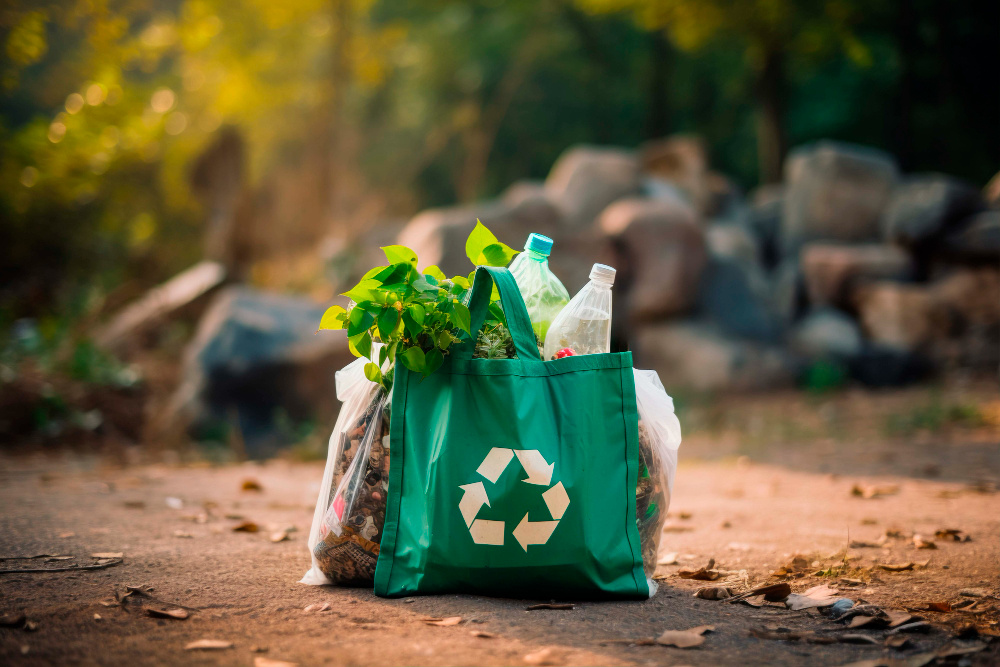
Improper waste disposal has become a major environmental challenge. Our waste management initiatives promote responsible practices such as waste segregation, recycling, composting, and reduction of plastic usage.

Through awareness campaigns and community programs, we encourage individuals and organizations to adopt eco-friendly waste management systems.

Pollution Control

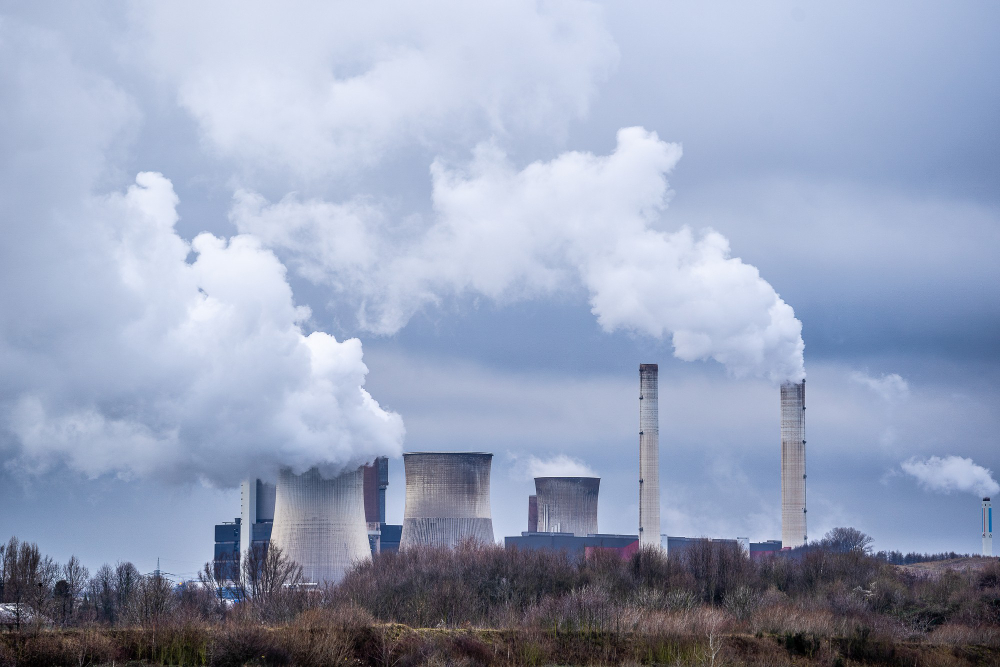
Pollution poses serious threats to both human health and the environment. Our programs focus on raising awareness about pollution and encouraging sustainable practices that reduce environmental damage.

We conduct environmental awareness campaigns and educational programs aimed at reducing air, water, and soil pollution in communities.

Renewable Energy Promotion

Renewable Energy Promotion

Improper waste disposal has become a major environmental challenge. Our waste management initiatives promote responsible practices such as waste segregation, recycling, composting, and reduction of plastic usage.

Through awareness campaigns and community programs, we encourage individuals and organizations to adopt eco-friendly waste management systems.

Community Engagement & Awareness

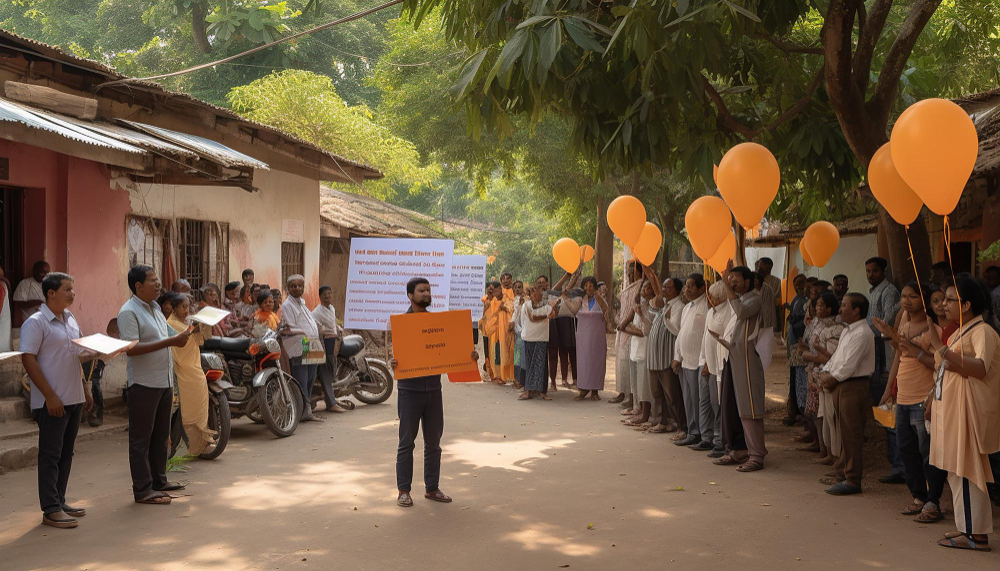
Community participation is essential for environmental protection. We organize workshops, seminars, educational campaigns, and volunteer programs to encourage people to actively participate in conservation efforts.

By empowering communities with knowledge and resources, we aim to build a culture of environmental responsibility and sustainable living.

Community Engagement & Awareness

Carbon Sequestration and Carbon Credit

Monitoring Carbon Footprint and SequestrationSoil carbon sequestration is calculated by measuring changes in soil organic carbon (SOC) stocks over time—typically via soil sampling (dry combustion) to a depth of 30–100 cm—and multiplying by area, while accounting for bulk density. It also includes measuring above-ground biomass (crops, trees) and subtracting emissions from agricultural inputs.Core methodologies adopted for calculation:
Direct Measurement: The most accurate method involves collecting soil cores at different times (e.g., a baseline and then 3–5 years later) to measure the change in soil organic carbon (SOC) percentage.
Biomass Calculation: Calculates carbon stored in crops or agroforestry trees, typically using a carbon fraction of 0.5 for dry biomass.
Life Cycle Analysis: Indirectly estimates carbon balance by assessing inputs (fuel, fertiliser) versus sequestered carbon, often using software

Greenhouse Gases

Soil greenhouse gas (GHG) methodology focuses on measuring, reporting, and verifying methane, nitrous oxide , and carbon dioxide emissions, primarily using chamber-based techniques to monitor soil surface gases. Chamber-Based Techniques: The most popular, widely used method. Closed chambers allow gases to accumulate on the soil surface, enabling measurement of low-emission rates in crops and livestock for short periods.

Nature Based Solutions

Nature-based solutions (NBS) for wastewater treatment, such as constructed wetlands, alage ponds, and soil infiltration systems, utilize natural processes like microbial degradation and filtration to treat wastewater. Methodology involves a site-specific, phased approach focusing on decentralized, cost-effective treatment, often incorporating anaerobic pre-treatment followed by aerobic treatment for enhanced pollutant removal.

Join Our Mission

Protecting nature requires collective effort. We invite individuals, organizations, and communities to join us in our mission to conserve Jal, Jangal, and Jameen and create a sustainable future for generations to come.